How to File a Roof Insurance Claim After a Storm on Long Island
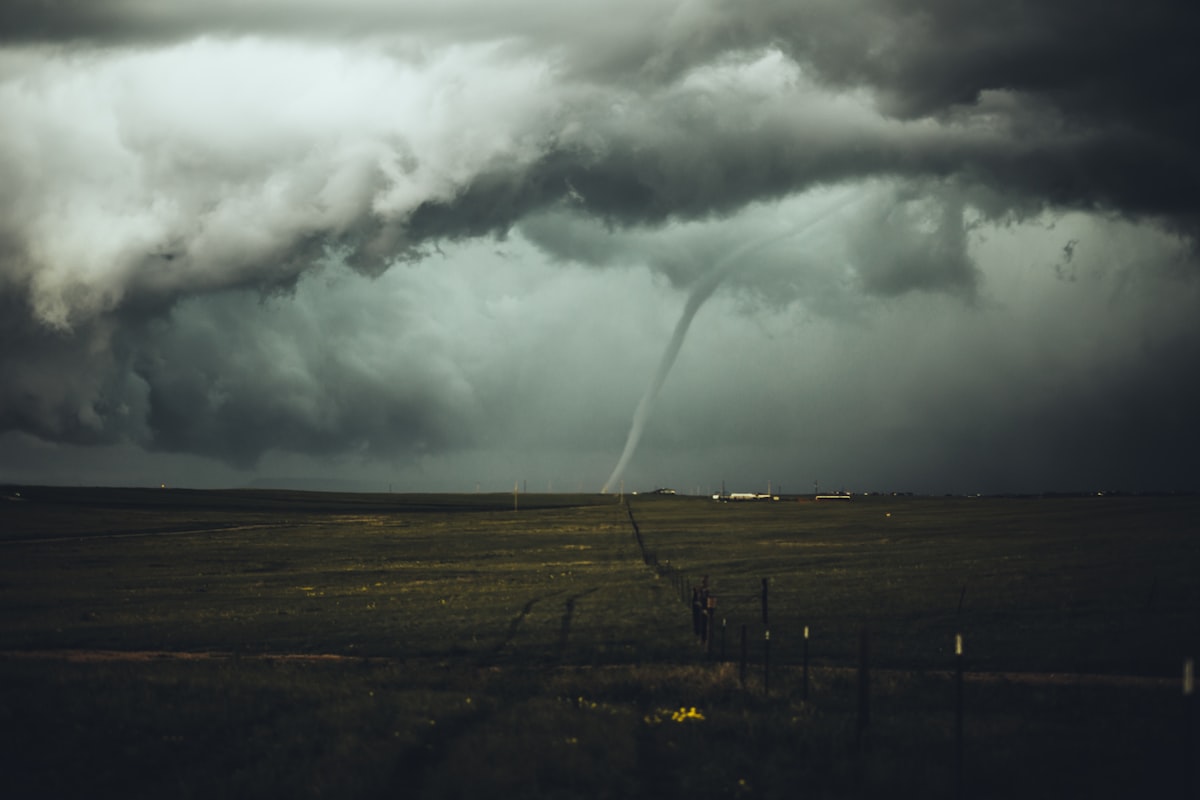
Long Island gets hit hard every season — nor'easters, tropical storms, hail, and high winds routinely damage roofs across Nassau and Suffolk County. The good news: if your roof damage was caused by a storm, your homeowners insurance almost certainly covers it. The challenge is navigating the claims process correctly so your payout reflects the actual cost of repair or replacement.
Here's a step-by-step guide to filing a successful roof insurance claim on Long Island.
Step-by-Step: Filing Your Roof Insurance Claim
After a storm, resist the urge to climb up and inspect. Wet, damaged roofs are dangerous. Instead, look from the ground for obvious missing shingles, exposed decking, or damaged gutters and flashing. Document what you can see safely from windows, the yard, and using a zoom lens.
Before calling your insurance company, call Greene Group Construction at (631) 532-7346 for a free storm damage inspection. We document all damage with photos, moisture readings, and a written assessment — the exact evidence your insurance company needs.
Your policy requires you to take reasonable steps to prevent additional damage. If you have active leaks or large missing sections, we will emergency tarp your roof immediately. Keep all receipts for any tarping or emergency repairs — these costs are typically reimbursable under your policy.
Contact your insurance company and file the claim. Most Long Island insurers (Allstate, State Farm, Travelers, Liberty Mutual, GEICO) have 24/7 claim lines. Note your claim number. Most policies require you to report damage within a reasonable time frame — don't wait weeks after the storm.
Your insurance company will send an adjuster to inspect the damage. Have your contractor present at this meeting. Adjusters work for the insurance company; having a professional roofer alongside you ensures no damage is missed and the scope of work is accurately documented. We attend adjuster meetings for our customers at no charge.
After the adjuster's visit, your insurer will send an Estimate of Loss. Review it line by line with your contractor. Common omissions include ice and water shield, drip edge, code-required upgrades, and proper disposal costs. If items are missing, your contractor can help you file a supplement.
Your policy may pay Actual Cash Value (ACV — depreciated value) initially, with Recoverable Depreciation paid after the work is completed. Make sure you understand your policy terms. If your policy is ACV only, the payout will be less than full replacement cost.
Once you've received your initial insurance check (minus your deductible), schedule your roof replacement. After completion, submit the final invoice to your insurer to release any held depreciation. Your deductible is your only out-of-pocket cost for a covered claim.
Think you have storm damage? We'll inspect and document it — free.
📞 (631) 532-7346Schedule Free Inspection →
Greene Group Construction Corp works directly with all major insurers serving Long Island. Learn about our storm damage roofing services →